
Refresh rate is how many times per second a phone’s screen redraws the image, measured in Hz. A 60Hz display updates 60 times a second; a 120Hz display updates twice as often. Higher numbers make scrolling, swiping, and animations look smoother, the difference is most obvious when you scroll a long list or play a fast-moving game. It doesn’t affect resolution, color, or brightness at all, those are separate specs.
How common each figure actually is now
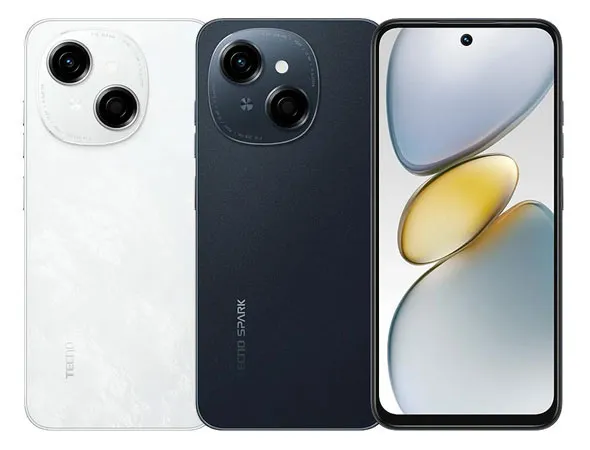
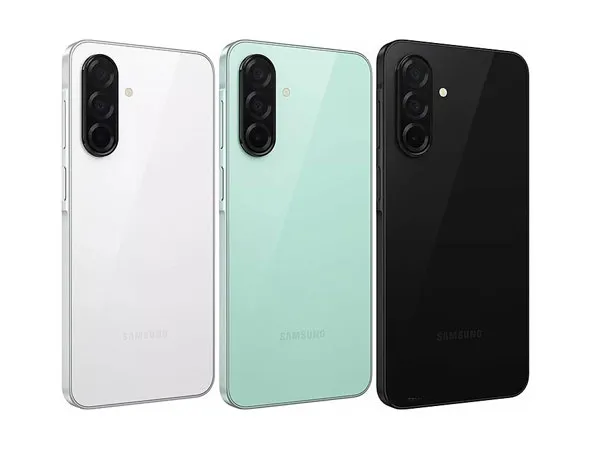
We checked every phone we track released in 2025 or later: not a single one lists 60Hz anymore. The TECNO Spark Go 1S, one of the cheapest phones we track at RM319, still ships with a 90Hz IPS LCD display. 120Hz is by far the most common figure across the catalog at every price tier, including budget phones like the Samsung Galaxy A26 (RM1,199, Super AMOLED, 120Hz). 144Hz and 165Hz show up mostly on gaming-oriented and flagship phones.
The practical upshot: refresh rate isn’t really a premium feature to chase anymore. It’s closer to a baseline that all but the cheapest phones now clear.
The spec-sheet trap: refresh rate isn’t the only “Hz” on the line
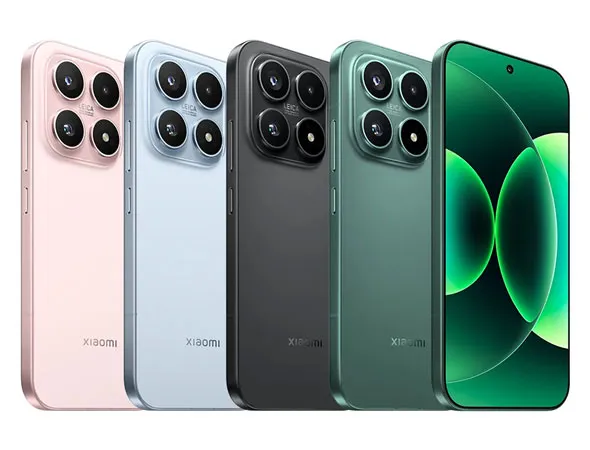
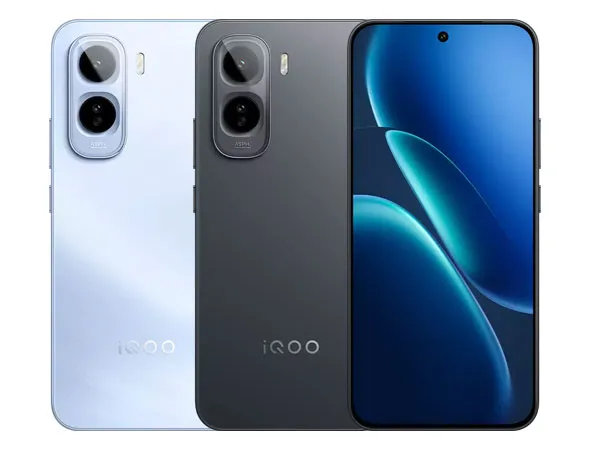
This is worth knowing before you compare two phones’ display specs directly. The Xiaomi 17 (RM3,499) lists its display as “LTPO AMOLED, 68B colors, 2160Hz PWM, 120Hz, Dolby Vision…”. Two different Hz numbers appear in that one line: 2160Hz is the PWM (pulse-width modulation) dimming frequency, how fast the screen flickers to control brightness, not the refresh rate. The actual refresh rate is the separate 120Hz figure later in the same string. The vivo iQOO Z11 (RM1,899) has the same pattern: “165Hz, 2160Hz PWM” in its display spec, with 165Hz being the refresh rate and 2160Hz PWM being the flicker frequency. Misreading the PWM figure as the refresh rate would make either phone look far faster than it actually is.
PWM frequency has its own relevance, a higher PWM rate generally means less visible flicker at low brightness, which can matter for eye comfort, but it’s a genuinely different spec from refresh rate and shouldn’t be confused with it when comparing phones.
Is it worth paying more for a higher number?
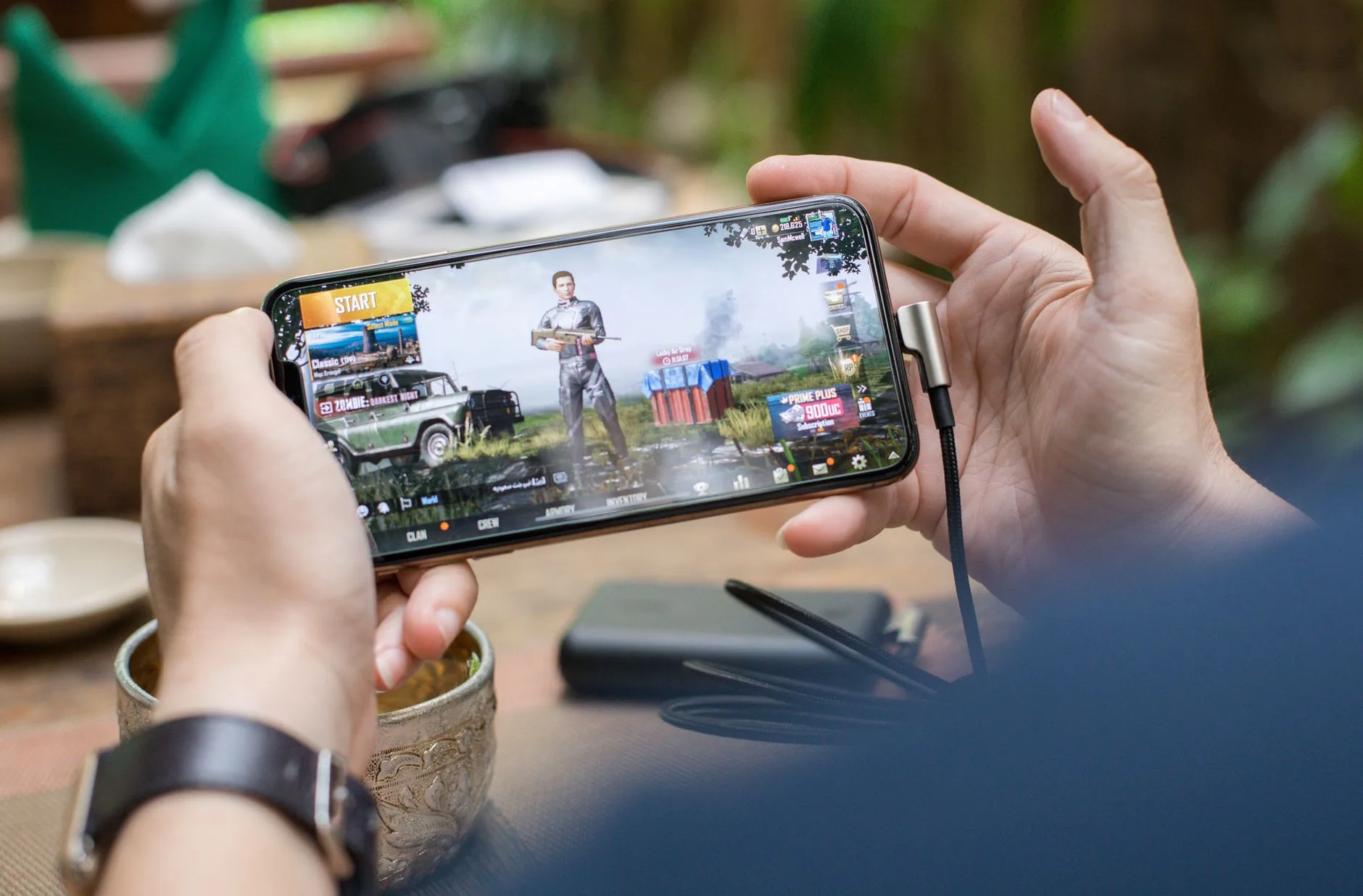
Given how common 120Hz now is even at the low end, the more useful question is usually whether a phone drops below it, not whether it exceeds it. A phone specifically listing 90Hz or lower, like the TECNO Spark Go 1S above, is trading smoothness for a lower price point, which is a reasonable tradeoff at RM319 but worth knowing about going in. Above 120Hz, the difference to 144Hz or 165Hz is real but subtler, most noticeable in games that can actually render at those frame rates, and less noticeable in everyday scrolling and app use.
If you want more on how to read the rest of a phone’s spec sheet, see our guide to reading a phone spec sheet like a reviewer.